SEO
Google is the default choice for most users, but it is far from the only option. A growing number of people are exploring alternative search engines to gain more control over privacy, discover less-filtered content, or simply improve how they search.
The idea is not always to replace Google completely. In many cases, using a combination of search engines leads to better, more balanced results.
Why People Are Switching to Alternative Search Engines
Google’s dominance comes with trade-offs. Understanding these helps explain why users are actively looking for alternative search engines other than Google.
Privacy and Data Collection
Google personalizes results based on search history, location, and behavior. While this can improve relevance, it also means:
- Extensive data tracking;
- Ad targeting based on user activity;
- Limited anonymity.
Many alternative search engines position themselves around not collecting or storing personal data, which is a major reason users switch.
Filtered Results and Bias
Google’s algorithm prioritizes content based on relevance, authority, and personalization. However, this can lead to:
- Repetitive results from large websites;
- Less visibility for niche or independent sources;
- Reduced exposure to alternative viewpoints.
Some search engines avoid personalization entirely, giving more neutral results.
Increasing Ads in Search Results
It is common to see multiple paid results before any organic listings. This affects:
- Click behavior;
- Trust in top-ranking results;
- Overall user experience.
Alternative platforms often reduce ad placement or separate ads more clearly.
Desire for Different Search Experiences
Different engines use different ranking systems. This means:
- You may find content not visible on Google;
- Some engines specialize in certain types of searches;
- Results can feel less repetitive.
This is why many users explore the best alternative search engines to Google rather than relying on one platform.
Best Alternative Search Engines (Detailed Overview)
Below is a deeper look at the most relevant options and how they compare in real-world use.
DuckDuckGo
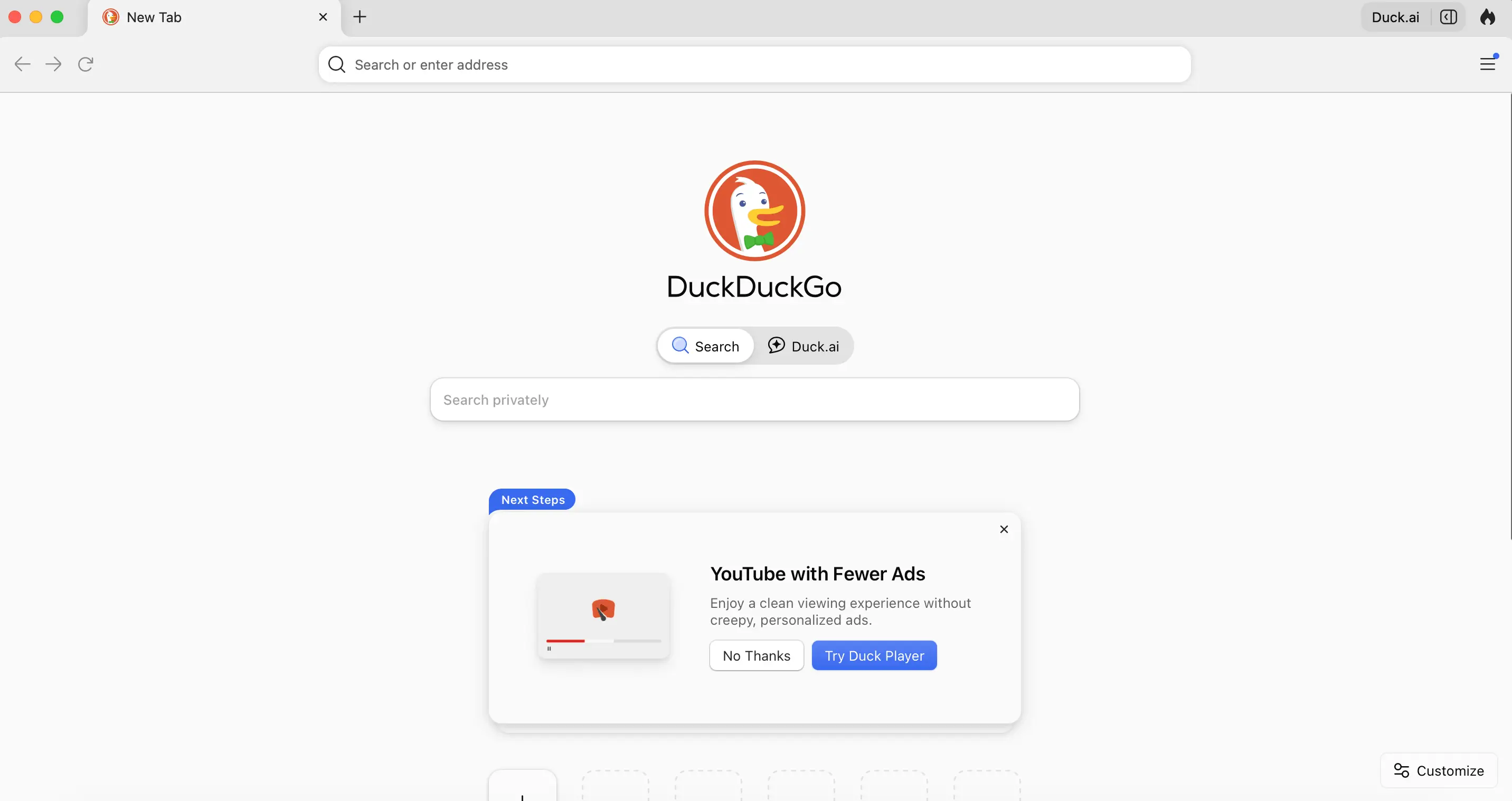
DuckDuckGo is one of the most recognized names when discussing alternative search engines better than Google for privacy. DuckDuckGo pulls results from multiple sources, including its own crawler and third-party providers, without building user profiles.
Strengths:
- No tracking or search history storage;
- Consistent, non-personalized results;
- Fast and lightweight interface;
- “Bangs” feature for quick site-specific searches (e.g., !amazon, !wikipedia).
Limitations:
- Results can be less refined for very specific or technical queries;
- Heavy reliance on external data sources.
Best use case: Daily browsing, general searches, and users prioritizing privacy over deep personalization.
Bing
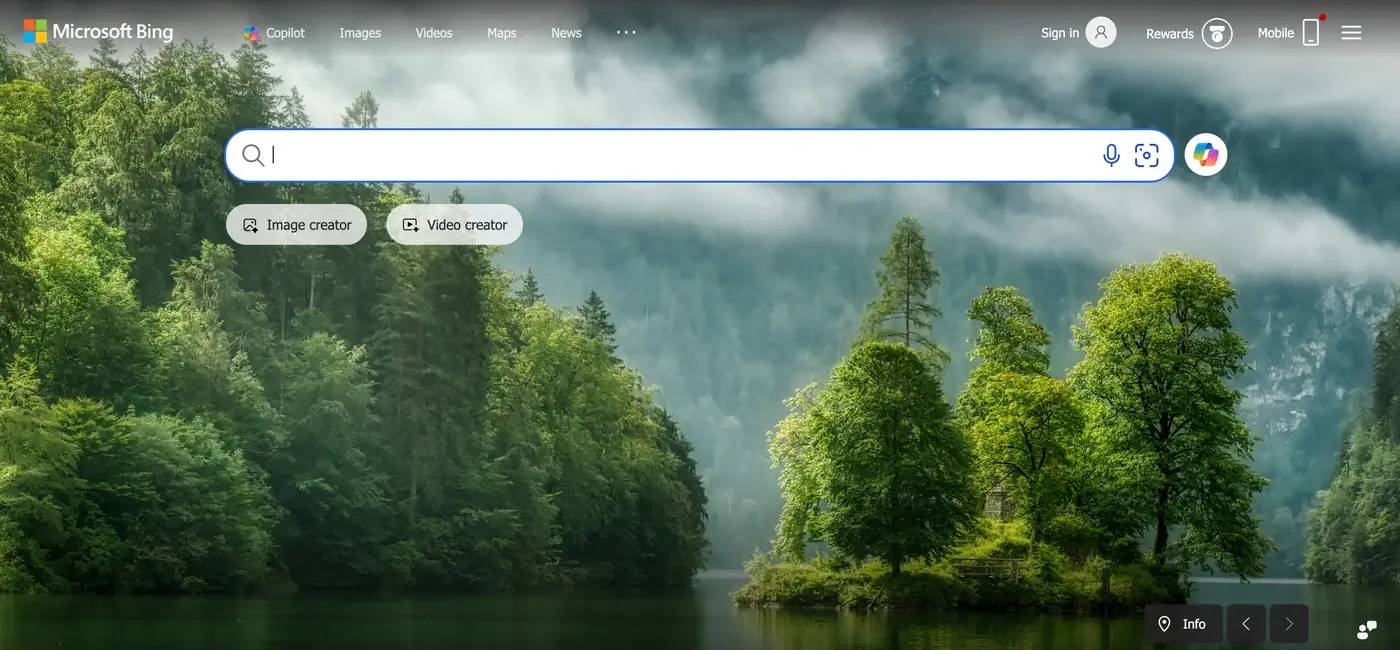
Bing is the closest direct competitor in terms of scale.
Powered by Microsoft, Bing uses its own indexing system and integrates AI features into search.
Strengths:
- Strong multimedia search (images and videos);
- Integrated AI and enhanced search previews;
- Rewards system that incentivizes usage;
- Often surfaces with different rankings than Google.
Limitations:
- Still collects user data;
- Less dominant index compared to Google.
Best use case: Users who want a Google-like experience but with slightly different results and features.
Brave Search
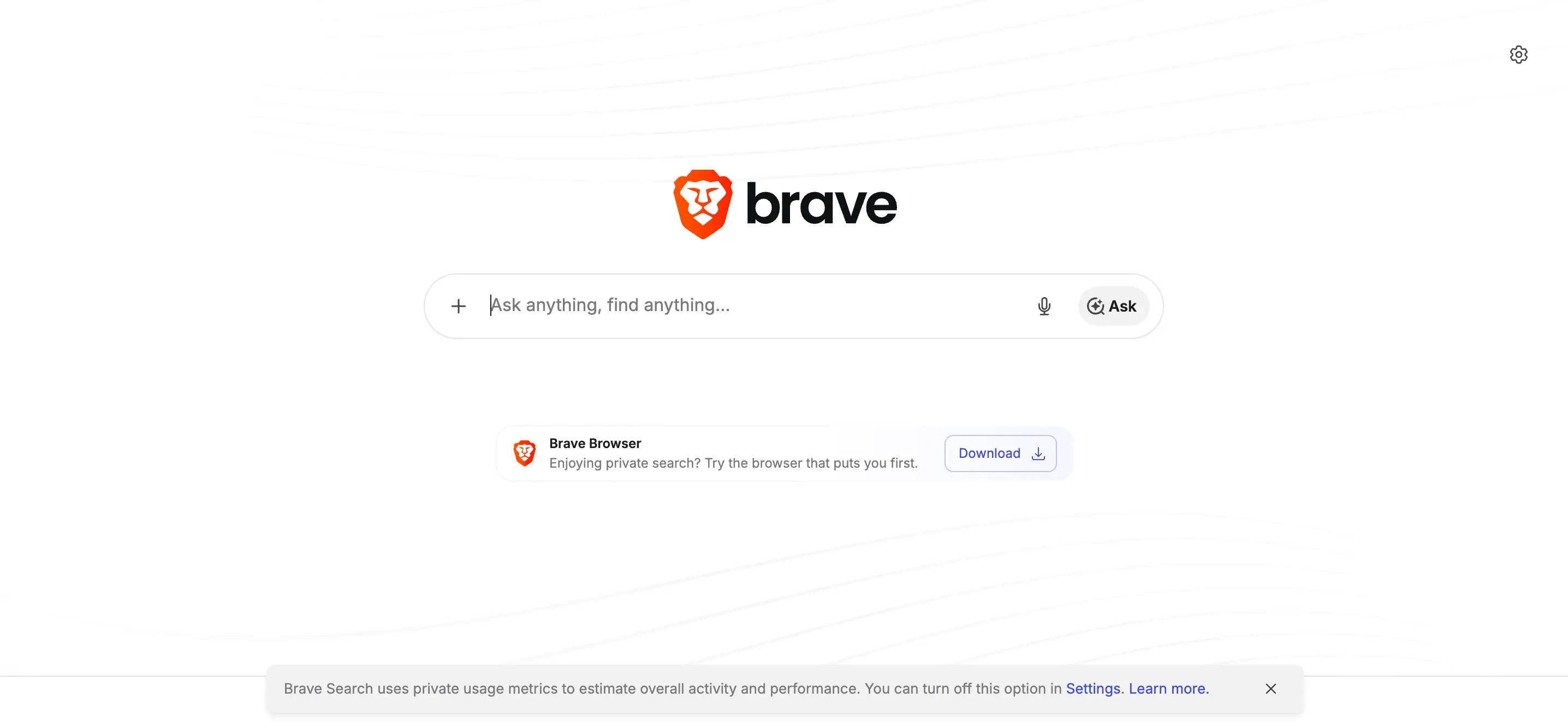
Brave Search stands out for its independence. Unlike many competitors, Brave Search uses its own index rather than relying heavily on Google or Bing.
Strengths:
- Independent search infrastructure;
- Transparent ranking approach;
- No tracking or profiling;
- Option to mix in results from other engines if needed.
Limitations:
- Smaller index compared to Google;
- May lack depth for niche queries.
Best use case: Users who want a truly independent and privacy-focused alternative.
Startpage
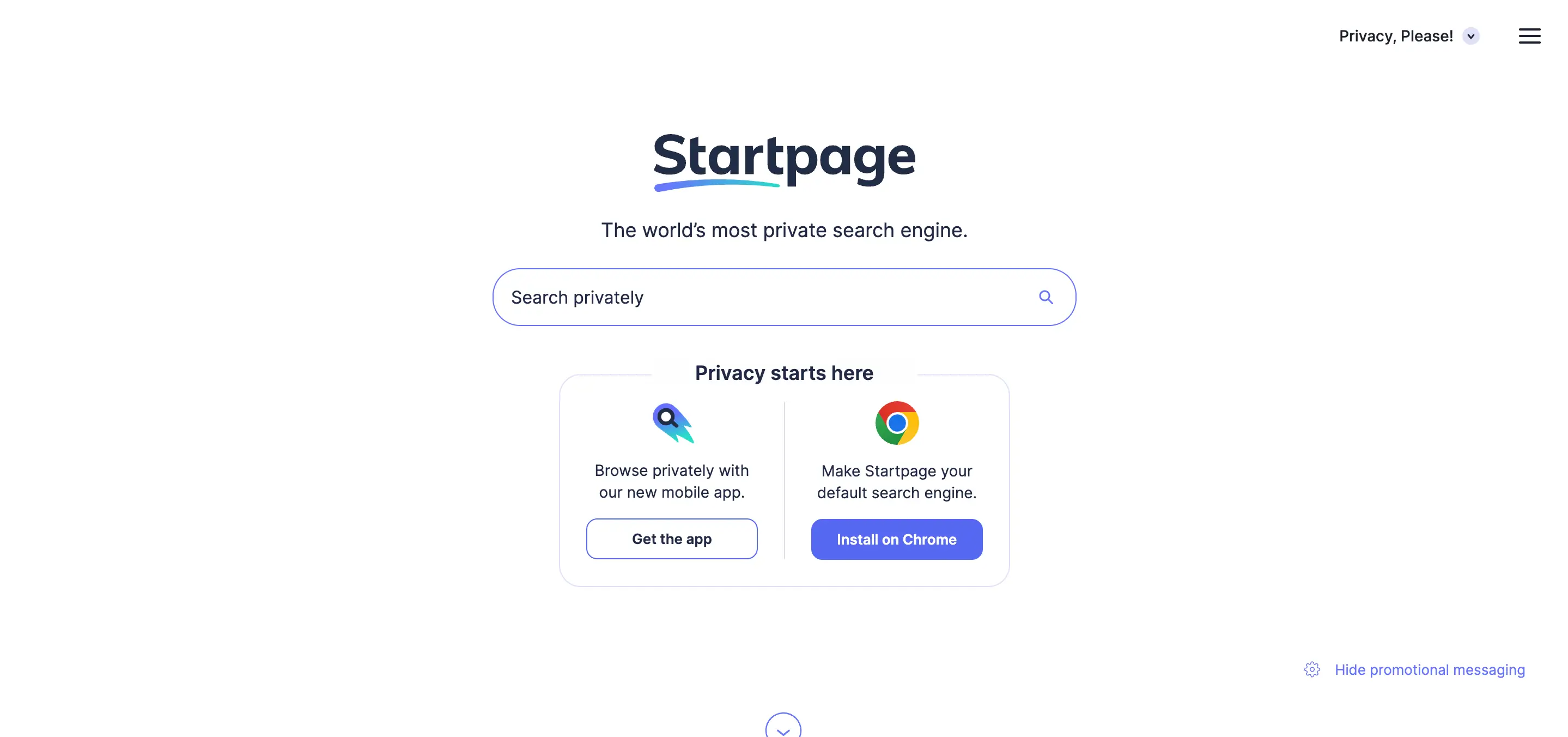
Startpage is often described as a “private version of Google.” It fetches Google results but removes all tracking and identifying data.
Strengths:
- Google-quality results without tracking;
- Anonymous browsing through proxy features;
- Strong privacy protections (based in Europe).
Limitations:
- Still dependent on Google’s index;
- Slightly slower due to privacy layers.
Best use case: Users who want familiar results but without data collection.
Ecosia

Ecosia adds a purpose-driven model to search. It uses Bing’s infrastructure and generates revenue through ads, which is then used to fund tree-planting projects.
Strengths:
- Clear environmental mission;
- Transparent financial reporting;
- Simple and easy to use;
Limitations:
- Results depend on Bing;
- Not focused on advanced search features.
Best use case: Users who want their daily searches to contribute to environmental impact.
Qwant
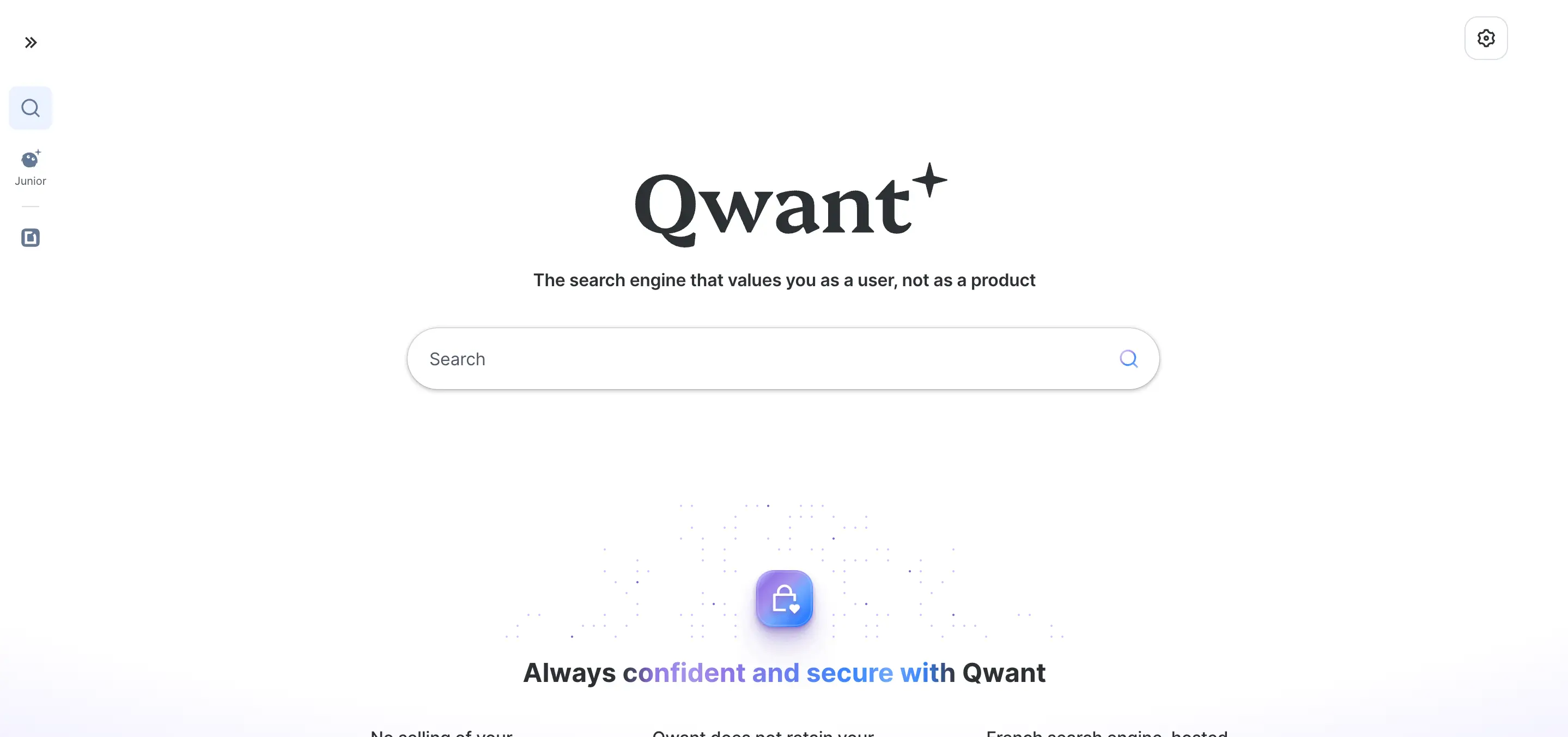
Qwant is a European alternative focused on neutrality and privacy. It combines its own indexing with external sources while avoiding tracking.
Strengths:
- No user profiling;
- Balanced and neutral results;
- Strong integration of news and trending content.
Limitations:
- Smaller index than major engines;
- Less effective for highly specific queries.
Best use case: Users looking for a privacy-first search engine with a different regional perspective.
Yahoo Search

Yahoo continues to function as a search engine, though it relies heavily on Bing. It aggregates search results while combining them with content like news and email.
Strengths:
- Familiar interface;
- Content-rich experience;
- Easy and intuitive navigation across services.
Limitations:
- Not an independent search engine;
- Results largely mirror Bing.
Best use case: Users who prefer an all-in-one web portal experience.
Are Alternative Search Engines Better Than Google?
The question is not whether one is universally better, but which is better for your needs.
Google excels in:
- Depth and accuracy of results;
- Speed and indexing scale;
- Handling complex and long-tail queries.
However, many alternative search engines outperform Google in areas like:
- Privacy protection;
- Reduced tracking;
- Simpler interfaces;
- Access to less-filtered content.
For example, DuckDuckGo or Brave may feel more transparent, while Startpage offers a balance between privacy and result quality.
When It Makes Sense to Use Alternatives
Instead of switching completely, many users adopt a hybrid approach.
Use alternative search engines when:
- You want unbiased or non-personalized results;
- You are researching sensitive topics;
- You want to avoid tracking;
- You are looking for different sources or perspectives.
Use Google when:
- You need highly accurate or technical results;
- You are searching for local businesses or real-time data;
- You want the fastest and most refined answers.
How to Choose the Right Alternative Search Engine
If you are asking what is an alternative search engine to Google that fits your workflow, focus on your priorities:
- Privacy-first: DuckDuckGo, Startpage;
- Independent index: Brave Search;
- Feature-rich experience: Bing;
- Sustainability focus: Ecosia;
- Neutral results: Qwant.
You can also set a default engine in your browser and switch when needed.
Final Thoughts
Exploring alternative search engines is less about replacing Google and more about improving how you search.
Each platform offers a different perspective on the web. Some prioritize privacy, others independence, and some focus on purpose-driven impact. By testing a few options, you can build a search experience that aligns better with your preferences and gives you access to a broader range of information.
About the Author:

As a blog author at Mykola Designer, I explain how global teams can build high-converting and trust-building websites. In my articles, I combine strategic UI/UX design with expert marketing and no-code development and provide full-scale landing pages, brand identity systems, and SEO/GEO optimization for startups looking to turn concepts into scalable products.
Let’s connect on LinkedIn or X to build awesome projects together.
Share this article: