Web Design
Partnership
You've decided your business needs a new website, or perhaps your current one no longer reflects what you offer. Now comes the tricky part: finding the right person to design it.
Search for a web designer, and you'll find countless freelancers, agencies, and specialists. Everyone has a portfolio, but how do you know who can actually deliver what your business needs?
If you're looking to hire a web designer, the decision shouldn't come down to attractive screenshots or the lowest quote.
You need someone who understands your goals, considers how visitors will use your website, and can turn your ideas into a functional, professional online presence.
Here's how to find the right fit, evaluate your options, and start your project with confidence.

Why Hire a Professional Web Designer?
With platforms like WordPress, Wix, and Webflow, creating a website yourself is certainly possible. But there's a difference between putting pages online and designing an experience that works for your customers.
Think about the last website you visited where you couldn't find the information you needed. You probably didn't spend much time searching for it.
A professional web designer helps prevent those frustrations by focusing on:
- First impressions: Creating a visual identity that reflects your business and builds credibility.
- User experience: Organizing information so visitors can navigate naturally.
- Responsive design: Making the website comfortable to use on phones, tablets, and desktops.
- Clear calls to action: Helping visitors understand what to do next.
- Scalability: Planning a structure that can accommodate future content and business growth.
The value of professional design isn't just how your website looks. It's how effectively it communicates with the people visiting it.
How to Hire a Website Designer: 5 Steps That Matter
You don't need technical expertise to choose a good designer. You just need to know what to evaluate.
1. Start With Your Business Goals
Before searching for designers, identify what you want your website to achieve.
Do you need to attract inquiries, showcase your portfolio, sell products, or explain your services?
For example, a consulting business may need clear service pages and prominent contact options. A photographer might prioritize visual storytelling and a strong portfolio.
Consider your target audience, essential pages, required functionality, and preferred launch timeline.
You don't need every detail figured out. A good designer can help refine your ideas, but understanding your main objective makes the conversation much more productive.
2. Find Designers With Relevant Experience
Where should you actually look?
Start with independent designer websites, professional networks, referrals, and portfolio platforms such as Behance or Dribbble.
But don't judge someone solely by their portfolio's visual style.
Open a few completed websites and explore them like a potential customer. Is the navigation intuitive? Can you quickly understand what the business offers? Does everything work comfortably on mobile?
Look for projects with similar goals or complexity to yours.
A designer doesn't necessarily need experience in your exact industry, but they should demonstrate an ability to solve problems similar to yours.
3. Look for UX Thinking, Not Just Attractive Layouts
A beautiful website can still be frustrating to use.
Imagine visiting a service website with impressive animations but no obvious way to request a quote. The design might catch your attention, but it isn't helping you accomplish anything.
That's why understanding the principles of UX design matters.
When reviewing a designer's work, pay attention to essential website components, including navigation, content hierarchy, readability, and clear calls to action.
During your first conversation, ask how they approach these decisions.
A designer who can explain why something should be placed in a particular location is often more valuable than someone who focuses only on appearance.
4. Evaluate Communication and the Design Process
Your designer will need to understand your business, interpret feedback, and explain design decisions.
Pay attention to your initial conversations.
Are they asking meaningful questions? Do they explain their recommendations clearly? Are they interested in understanding your audience?
You should also ask how the project will progress.
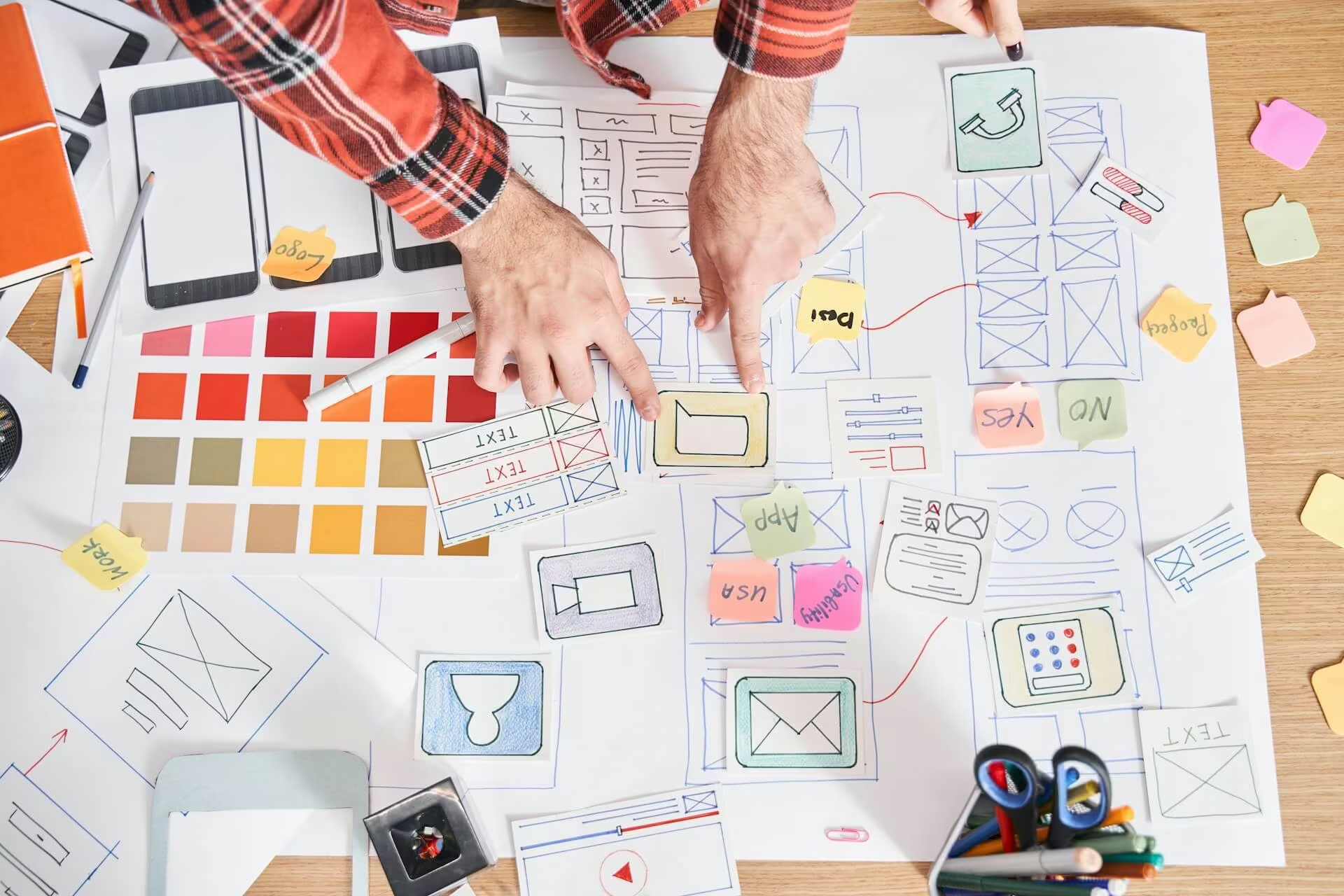
A typical user-centered design process includes discovery, planning, wireframes, visual design, revisions, and development.
Clarify whether the designer provides design only or can also build the website. Some professionals offer both services, while others collaborate with developers.
Knowing how the process works helps you understand your responsibilities and what to expect.
5. Request a Detailed Proposal
Once you've found a designer whose work and approach you like, discuss your requirements and request an estimate.
A professional proposal should explain:
- The pages and features included in the project.
- Whether responsive design and development are covered.
- The expected deliverables and project timeline.
- How feedback and revisions will be handled.
- What materials you'll need to provide.
- Any additional services or ongoing support.
Compare proposals based on the complete scope, not just the final price.
The goal is to understand exactly what you're investing in before work begins.

How Much Does It Cost to Hire a Website Designer?
Website design costs vary because every project has different requirements.
A simple landing page requires a different level of planning and web development than a custom business website with multiple pages, integrations, and interactive features.
The final estimate may depend on:
- The number and complexity of pages.
- Custom design and functionality requirements.
- Content preparation and existing branding.
- Integrations with third-party tools.
- Whether development and testing are included.
Rather than relying on generic pricing, look for a designer who takes time to understand your project before providing an estimate.
After discussing your business goals, functionality, and expectations, an experienced professional can prepare a detailed proposal with the scope, deliverables, timeline, and associated costs.
This approach gives you a clearer picture of the work involved and helps prevent misunderstandings later.
Questions to Ask Before Hiring a Web Designer
A few thoughtful questions can tell you more than an impressive portfolio.
Have you worked on similar projects?
Relevant experience can help you understand how the designer approaches websites with comparable goals or functionality.
Will you handle both design and development?
Some designers deliver design files, while others provide a fully developed website. Clarify this early.
How will we communicate and review progress?
Ask about project updates, feedback, revisions, and how decisions are approved.
Will I be able to update the website myself?
If you plan to add blog posts, change images, or update services, discuss content management before development begins.
What happens after launch?
Find out whether ongoing support, maintenance, or future improvements are available.
The answers should give you a clear understanding of the working relationship, not just the final product.

Common Mistakes to Avoid When Hiring a Designer
Even a promising project can become complicated when expectations aren't clear.
Here are a few mistakes worth avoiding:
- Choosing based only on price. A lower quote may exclude important work or require additional expenses later.
- Focusing entirely on visual style. Your website also needs intuitive navigation and practical functionality.
- Starting without a defined scope. Unclear requirements can lead to delays and unexpected changes.
- Ignoring mobile usability. Your website should provide a consistent experience across devices.
- Not discussing ownership and access. Clarify who will own the final design files, website, domain, and relevant accounts.
Many design projects run into difficulties not because of the designer's skills, but because of unclear expectations, communication gaps, or an undefined process. Learn more about the common reasons design projects fail and how to avoid them.
What Should You Prepare Before Contacting a Web Designer?
You don't need to arrive with a complete technical specification.
However, sharing a few details will help a designer understand your project and provide more relevant recommendations.

Start with:
- A short description of your business and target audience.
- Your main website goals.
- A list of essential pages or features.
- Examples of websites you like.
- Any existing brand materials or content.
- Your preferred timeline and approximate budget.
If you already have a website, share its URL and explain what you'd like to change.
And if you're unsure about certain details, that's perfectly fine. Part of the design process is exploring possible solutions together.
How Do You Know You've Found the Right Designer?
The right designer should do more than agree with every idea you suggest.
They should ask questions, challenge assumptions when necessary, and explain how their recommendations support your goals.
Look for someone who combines relevant experience with clear communication, a structured process, and an understanding of user experience.
Most importantly, you should feel comfortable discussing your ideas and confident that the designer understands what you're trying to achieve.
A successful website starts with a good working relationship.
What Comes After Finding the Right Designer?
Your website should reflect your business, communicate your value, and make it easy for visitors to take action.
I specialize in creating professional, user-friendly websites that combine thoughtful visual design with intuitive navigation and practical functionality.
Whether you're launching a new website or redesigning an existing one, I can help you explore the right approach based on your goals and requirements.
Get in touch to tell me about your project and discuss the next steps.